The team's tips
- No visa required: French, Belgian, and Swiss citizens can enter Albania without a visa. Just a valid passport, and you're good to go.
- Pay in Albanian lek: Euros are accepted in tourist areas, but you'll get better prices paying in lek (ALL). ATMs are everywhere in Tirana.
- Get ready for the road: The main roads are in good condition, but secondary roads to the most beautiful spots require a suitable vehicle. An SUV is really recommended.
- Travel in July-August: This is the ideal season — warm sea (26°C), stable weather, all roads open, and the vibe at its best.
- Cook and eat local: Albania is one of the cheapest countries in Europe. A meal in a local restaurant costs about €4–8 per person. Enjoy it!
Trip to Albania: the country that everyone is finally discovering
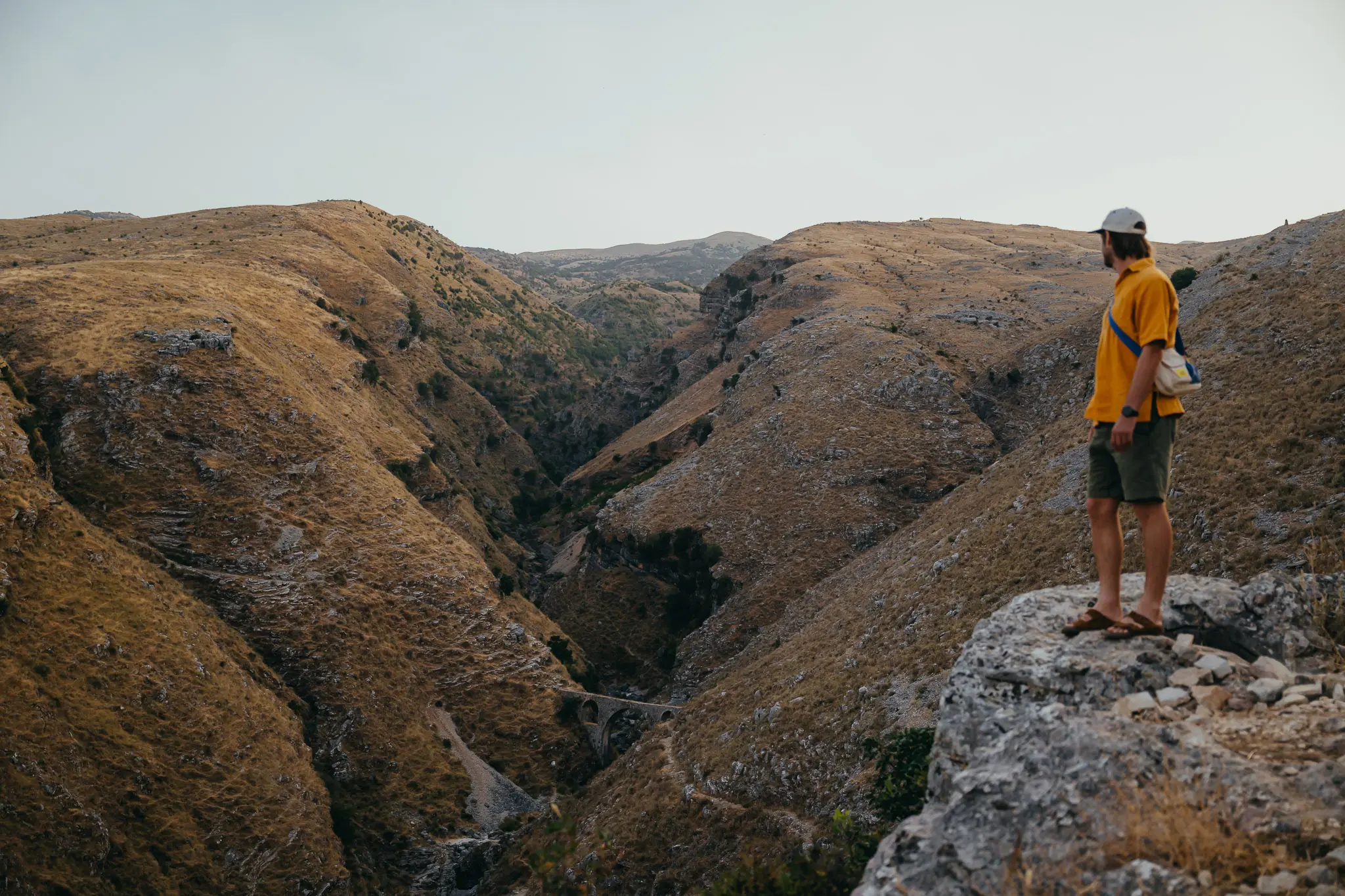
Albania is the country you've been hearing more and more about in recent years. And for good reason. From beaches with turquoise waters worthy of Greece, wild mountains, UNESCO-listed Ottoman cities, generous cuisine, warm-hearted locals — and prices that still make you smile. All just a two or three-hour flight from Paris.
This Balkan country has long stayed off the typical tourist trails, allowing it to retain something that its neighbors have sometimes lost: authenticity. The mountain villages haven’t changed in decades. The southern beaches have yet to be transformed into hotel resorts. And Albanians have this quiet pride in showing you their country.
Here’s everything you need to know to prepare for an extraordinary trip to Albania.
Why choose Albania for your next trip?
The value for money is hard to beat
Albania is one of the cheapest countries in Europe. Expect to pay 4–8 € for a meal in a good local restaurant, 1–2 € for a coffee, and accommodations that cost two to three times less than in neighboring Greece or Croatia. For a road trip, it's a destination where your budget really goes far.
The landscapes are incredibly diverse
In just one week, you can go from the beaches of the Albanian Riviera to the peaks of the Albanian Alps, from the ancient ruins of Apollonia to the Ottoman bazaars of Gjirokastër. Few countries offer such diversity in such a small area — Albania is barely twice the size of Belgium.
It’s still (relatively) untouched
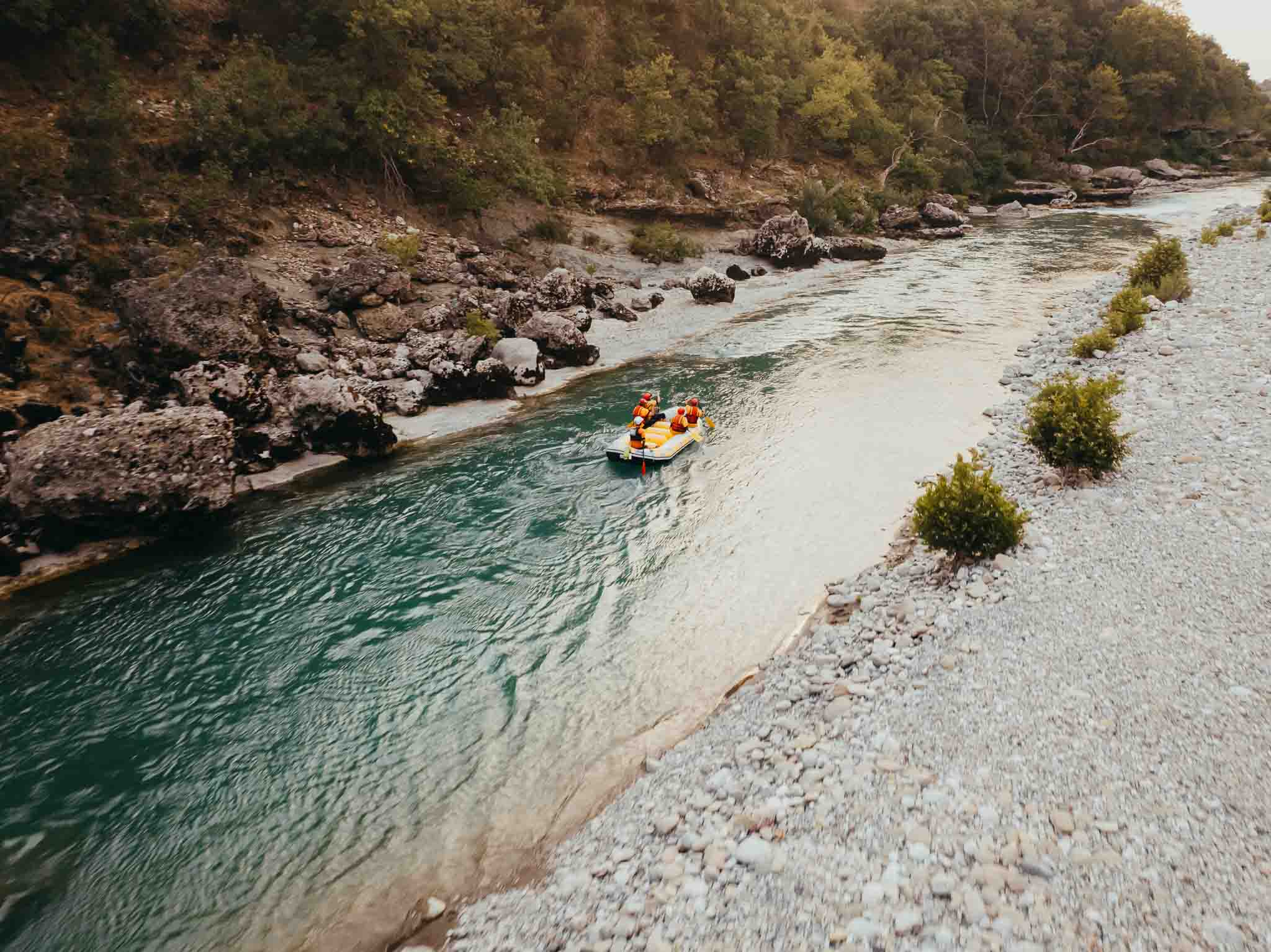
The Albanian Riviera is starting to gain recognition, but the rest of the country remains largely off the beaten path. The Vjosa valleys, the villages of Permet, the springs of Benjë… you won't have to share these with hordes of tourists. For now.
The must-sees of a tour in Albania
Berat, the city of a thousand windows
Imagine a hill covered with white Ottoman houses, their facades pierced by rows of windows reflecting the sun. This is Berat. A UNESCO World Heritage site, it’s one of the most beautiful cities in the Balkans — yet it remains much less frequented than Dubrovnik or Mostar.
The castle perched above has dominated the city since the 4th century. Families still live there, creating a unique atmosphere where history and daily life blend naturally. A stroll through the neighborhoods of Mangalem and Gorica, connected by their old stone bridge, is a must.
Apollonia, two millennia of history
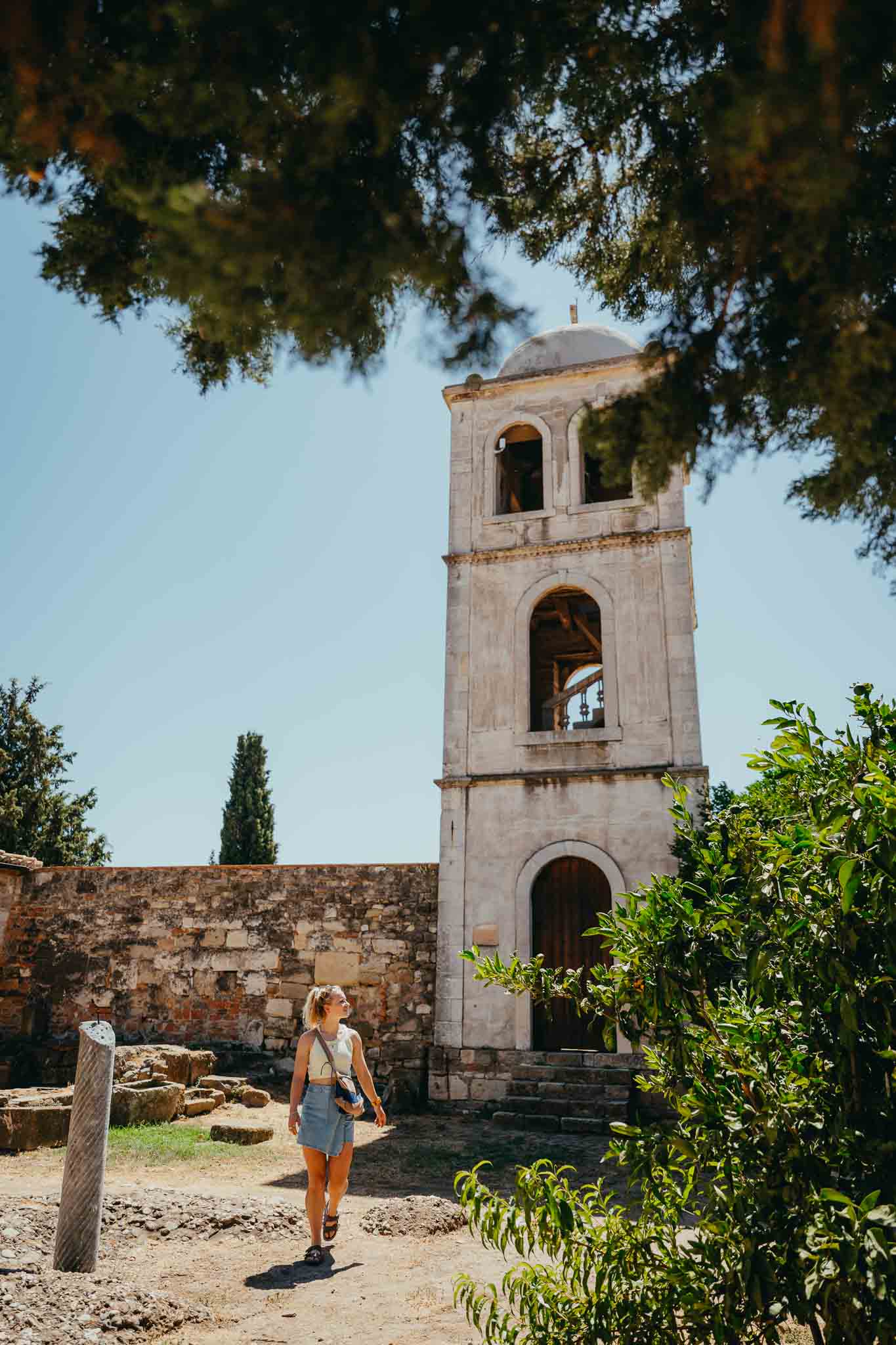
Just a few kilometers from the coast, the ruins of Apollonia emerge from the Mediterranean vegetation. This ancient Greek city, founded in the 6th century BC, was one of the most important in the region — Julius Caesar sent his nephew Octavian (the future Augustus) there to study. Today, its theater and temples remain remarkably well preserved, and the site is almost always calm.
The Llogara Pass and the Albanian Riviera
The road descending to the sea from the Llogara Pass is one of the most spectacular in Europe. At over 1,000 meters above sea level, the twists and turns reveal breathtaking views of the Ionian Sea. Then comes the descent to the Riviera: Dhërmi, Himara, Porto Palermo and its hidden beaches at the foot of an Ottoman castle.
Gjipe Beach is the ultimate secret spot. Accessible only on foot after a 45-minute hike through a canyon, its turquoise waters and seclusion make it unforgettable.
Ksamil and the islands
Ksamil is Albania’s postcard version. Three small islands just a few hundred meters from the shore, crystal clear turquoise water, white sand. It’s the most touristy destination in the country during the summer, and you can tell — but the beauty of the place still makes it worth the stop. The ideal plan is to spend an early morning there before the crowds and then head to Butrint in the afternoon.
Butrint, UNESCO on the water's edge
Just a few kilometers from Ksamil, the archaeological site of Butrint stretches through a forest by a lagoon. Greeks, Romans, Byzantines, Venetians… every civilization has left its mark here. The Roman theater, the Venetian walls, the early Christian mosaics — all set in an exceptional natural backdrop. One of the best archaeological sites in the Balkans, and one of the least known.
The Blue Eye
A few kilometers north of Saranda, a freshwater spring bursts from the ground in an electric blue swirl. The water is so clear and cold (11°C all year round) that it seems to come from another world. A quick stop, but one that truly leaves an impression.
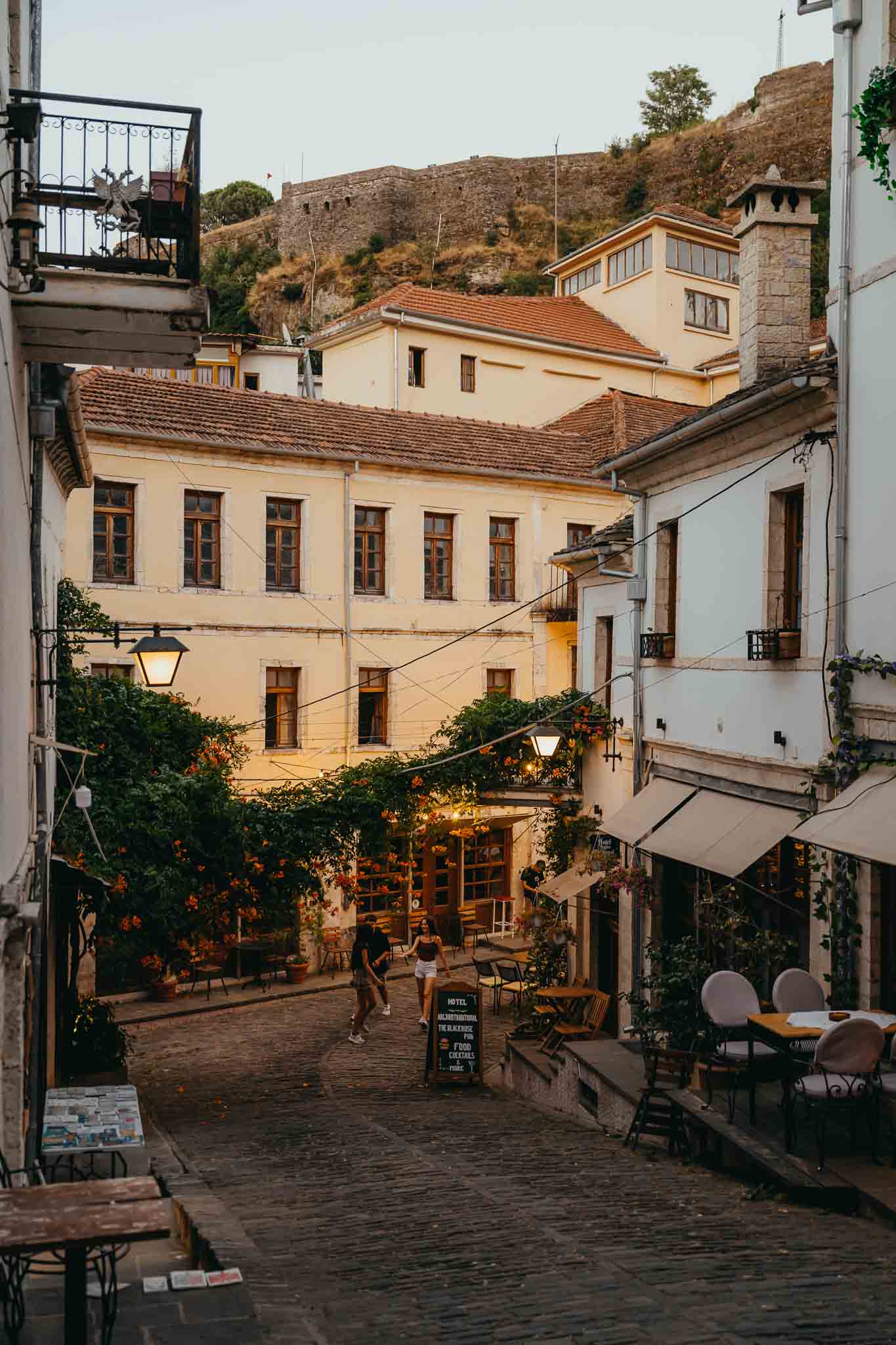
Gjirokastër, the stone town
Perched on a rocky ridge, Gjirokastër is the other great Ottoman city listed by UNESCO. Its gray stone houses with slate roofs pile up on the hillside like a movie set. The castle overlooks everything from above, with views of the entire Drino Valley. It’s also the birthplace of Enver Hoxha, the former Albanian dictator — its recent history is everywhere in the streets, visible in the hundreds of bunkers that still dot the landscape.
Taking a trip in Albania: why a road trip is a must
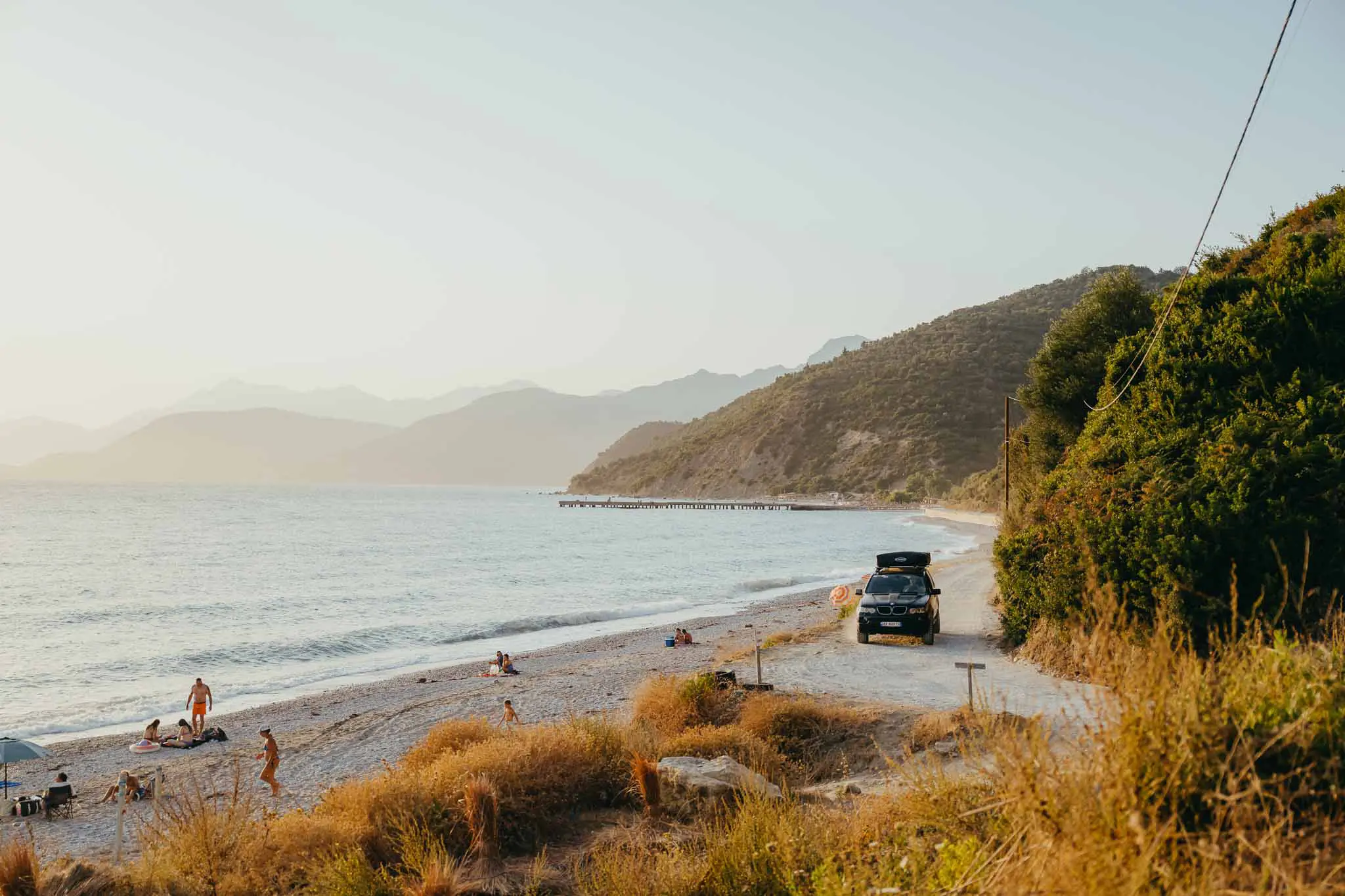
Albania is perfect for a road trip. The distances are short — less than 500 km separates Tirana from Gjirokastër — and each day takes you to a completely different landscape. A week-long circuit in the south is enough to cover the major highlights: Berat, the Adriatic coast, the Ionian Riviera, Ksamil, Gjirokastër.
The real advantage of a road trip is the flexibility. Spot a beach from the road? You stop. A village catches your eye? You take your time. Albania rewards those who stop where no one else does.
With Albania Nomads, your SUV with a rooftop tent gives you exactly that freedom: you sleep close to the landscapes, you adjust your day to your pace, and you have a detailed travel guide so you don't miss the best spots.
Albanian cuisine: a pleasant surprise
Albanian cuisine is one of the great discoveries of traveling. It blends Mediterranean, Ottoman, and Balkan influences for a generous and flavorful result.
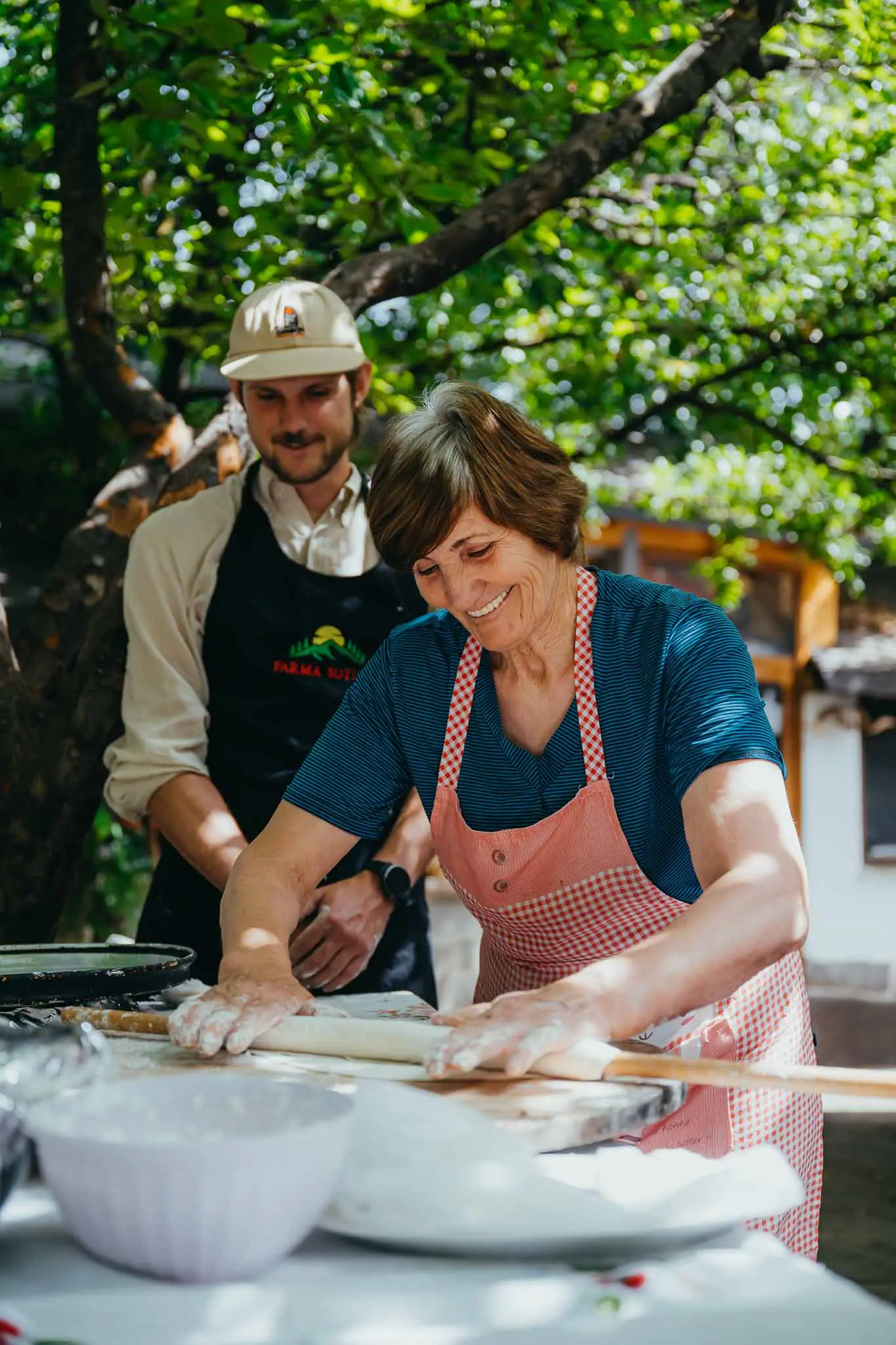
The byrek (a flaky pastry filled with cheese or meat) is the national snack — just a few cents at every street corner. The tavë kosi, a lamb casserole with yogurt and eggs, is the quintessential traditional dish. The fërgësë, a mix of peppers, tomatoes, and melted cheese, accompanies almost everything.
Along the coast, seafood is fresh, abundant, and priced to make any Mediterranean restaurant blush. A seafood platter for two: expect to pay 15–25 €. And the Albanian coffee — small, strong, served hot in a tiny glass — is something Albanians drink throughout the day, with terraces being the social heart of every village.
When to go to Albania?
Albania Nomads offers its tours from June to September, and it's no coincidence. This is the ideal time to enjoy the coast: sea temperatures at 26°C, guaranteed sunshine, and all roads accessible.
If you prefer to avoid the intense heat (up to 35–38°C on the coast), June and September are excellent alternatives for an independent trip — fewer crowds, milder temperatures, and the landscapes are just as stunning. Avoid winter for your first trip: some mountain roads are closed, and many coastal establishments shut their doors.
Practical information
Formalities: No visa required for EU, Swiss, and Canadian citizens. A valid passport is sufficient.
Currency: The Albanian lek (ALL). 1 € ≈ 100 ALL. Euros are accepted in tourist areas, but pay in lek to get the best prices.
Language: Albanian is the official language. English is spoken by most young people, and Italian is often understood along the coast.
Safety: Albania is a safe country for travelers. The concept of besa — a promise or the honor of the host — is deeply rooted in Albanian culture. You'll often be surprised by the spontaneous generosity of the people you meet.
Mobile Network: 4G coverage is good in cities and on major roads. In remote valleys, expect to lose signal — which, in some ways, adds to the charm.
Albania, summarized in one sentence.
This is Greece from 20 years ago: a stunning coastline, a rich history, delicious cuisine, friendly locals — and prices that make it accessible for everyone to truly enjoy. Be a part of it before everyone finds out.