Tips from the team:
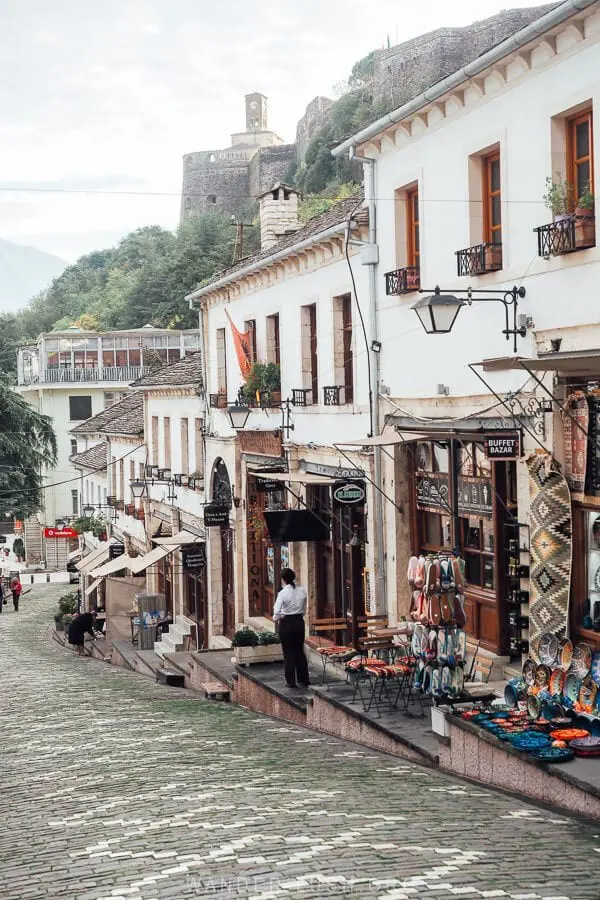
- Wear good shoes: The cobbled streets of the old town are steep and sometimes slippery.
- Allow at least half a day: Between the citadel, the bazaar and the Cold War tunnel, there’s more than enough to keep you busy for several hours.
- Read Kadaré before you go: “Chronicle in Stone” adds a whole new depth to your visit.
- Come early in the morning: The citadel is especially photogenic in the soft morning light, before the tour groups arrive.
- Combine it with Berat: Albania’s two UNESCO museum cities complement each other perfectly on the same itinerary.
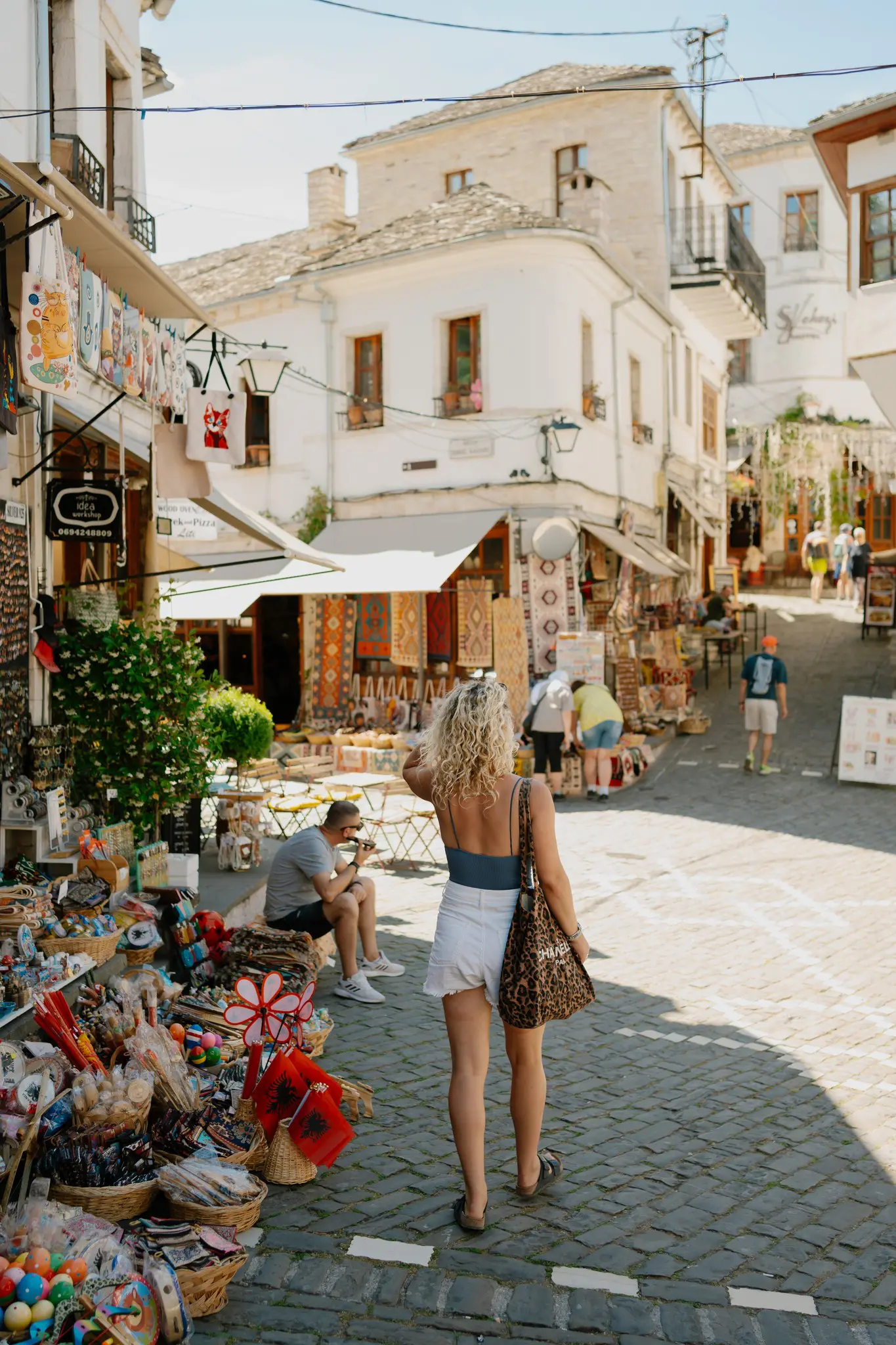
Gjirokastër: The UNESCO-Listed Stone City
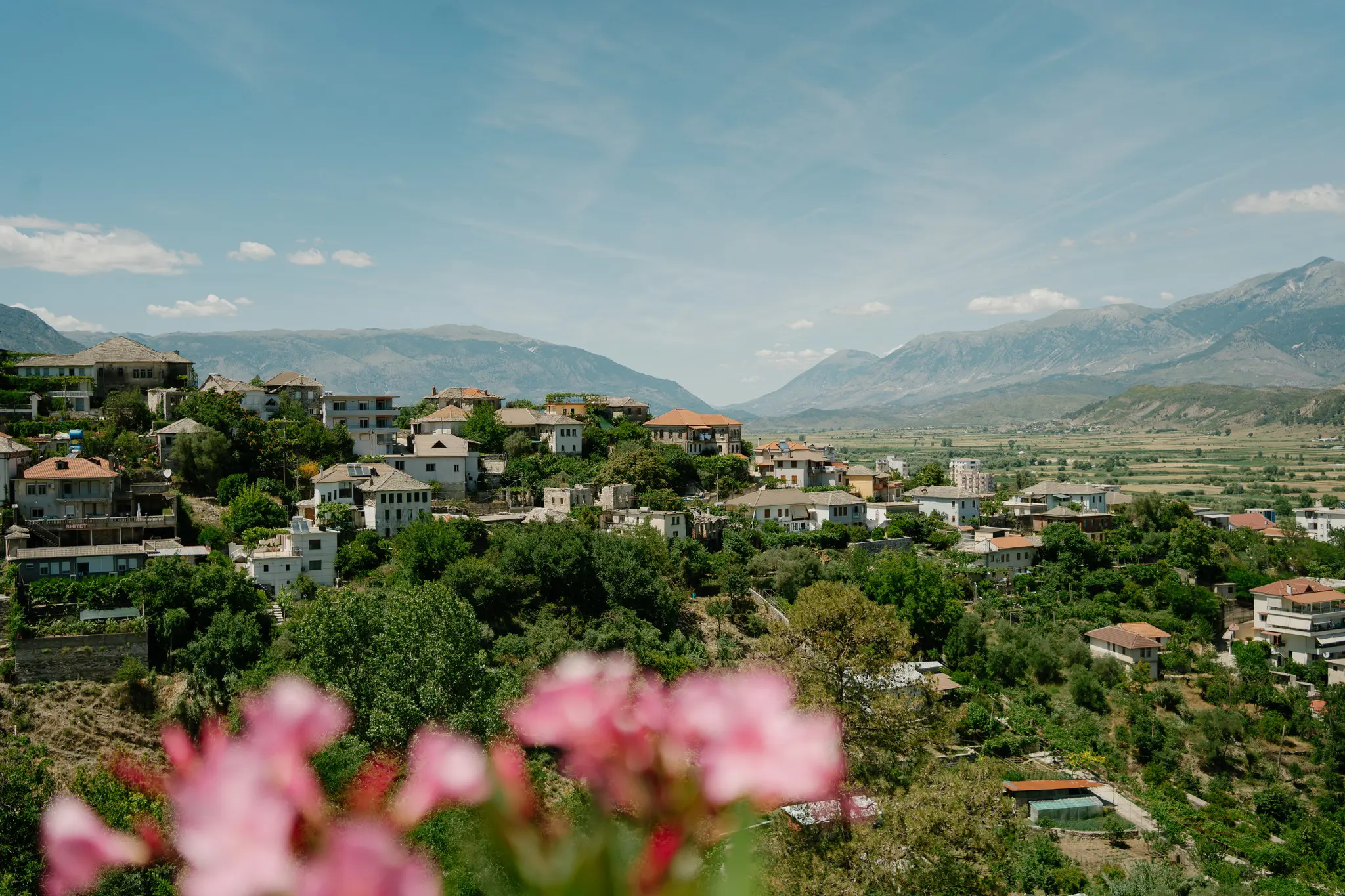
Seen from the valley, Gjirokastër looks like a single grey mass climbing the hillside, dotted with the wooden shutters and balconies of its tower houses. This city in southern Albania is nicknamed the “Stone City”, and the name fits perfectly: slate roofs, façades and cobbled lanes, everything here seems carved from the same rock.
With its imposing citadel, Cold War tunnel, and the intertwined stories of a writer and a dictator, Gjirokastër brings together a large part of Albania’s history in a single city. Here’s everything you need to know before getting lost in it.
An open-air museum city
First mentioned in 1336 under its medieval Greek name, Argyrókastro (“silver castle”), Gjirokastër is now one of the best-preserved examples of Ottoman architecture in the Balkans. The old town has been a UNESCO World Heritage Site since 2005, alongside Berat.
Its tower houses (kulla) reflect the security concerns of the Ottoman era: solid stone construction, narrow openings and grey slate roofs that glisten in the rain. This ever-present stone inspired writer Ismail Kadare to title his best-known novel about his hometown “Chronicle in Stone”.
The citadel, one of the largest castles in the Balkans
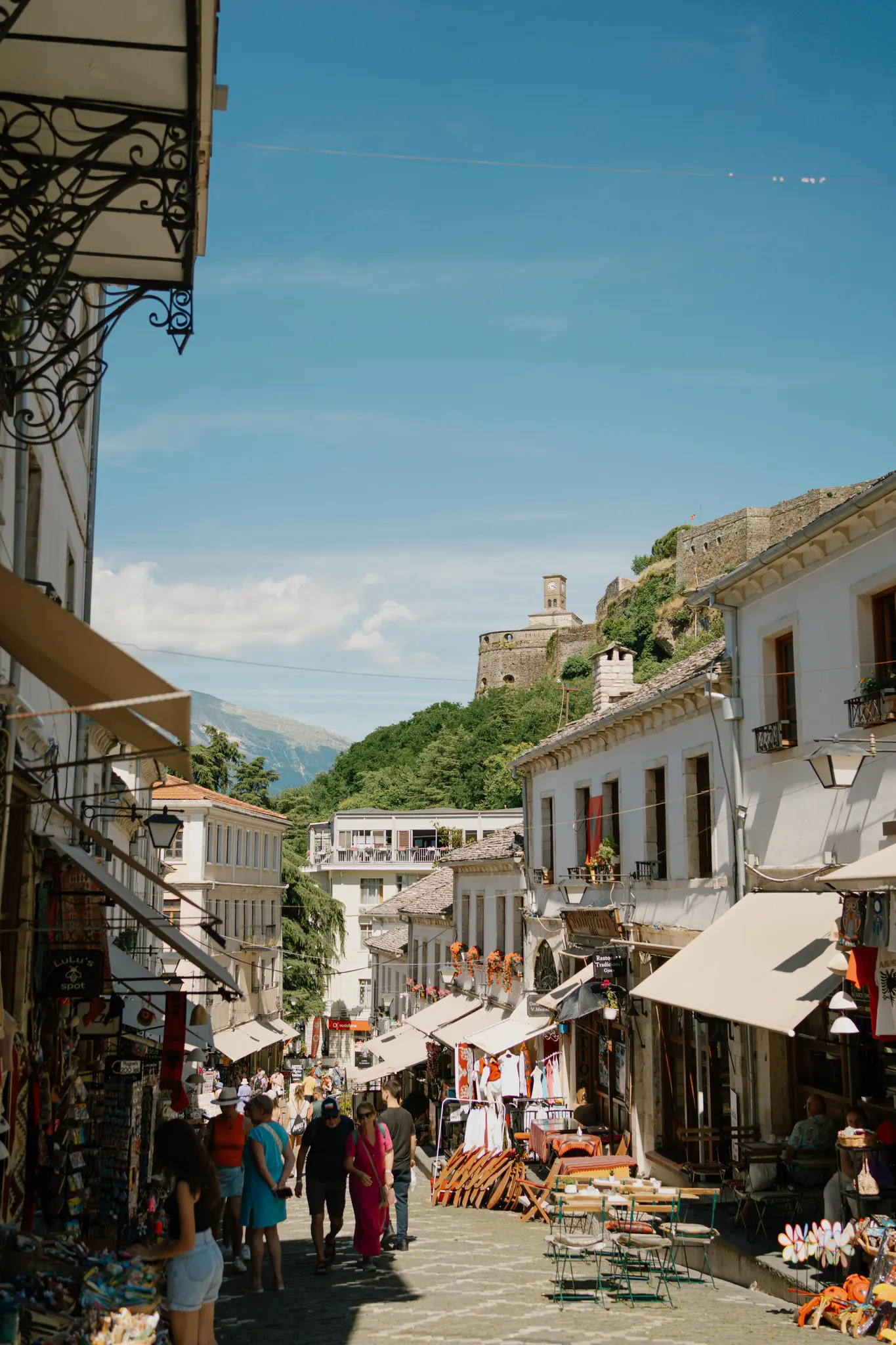
Perched at 336 metres above sea level, the Gjirokastër Citadel overlooks the entire valley. Its origins are thought to date back to the 12th century, but the structure we see today owes much to the changes made by Ali Pasha of Tepelena in the 19th century.
Inside its walls, you’ll find a Weapons Museum, a clock tower and even the wreckage of an American military aircraft dating from the Cold War. The site also has a darker history: under King Zog and later Enver Hoxha’s communist regime, part of the castle served as a prison for political opponents until the 1970s. Every five years, the citadel also hosts Albania’s national folk festival.
Two famous children, two very different fates
Gjirokastër was the birthplace of two Albanians who left a lasting mark on the country’s history, each in their own way. The writer Ismail Kadaré, who was nominated for the Nobel Prize in Literature several times, devoted part of his work to his hometown. On the other side of history, Enver Hoxha, born here in 1908, ruled Albania with an iron fist from 1944 to 1985 as a communist dictator.
Enver Hoxha’s childhood home, destroyed by fire in the 1960s and rebuilt in 1966, now houses the city’s Ethnographic Museum, dedicated to traditional Albanian life in the 19th century. A striking shortcut through Albania’s 20th-century history, all condensed into a single address.
The Cold War tunnel and Ottoman bazaar
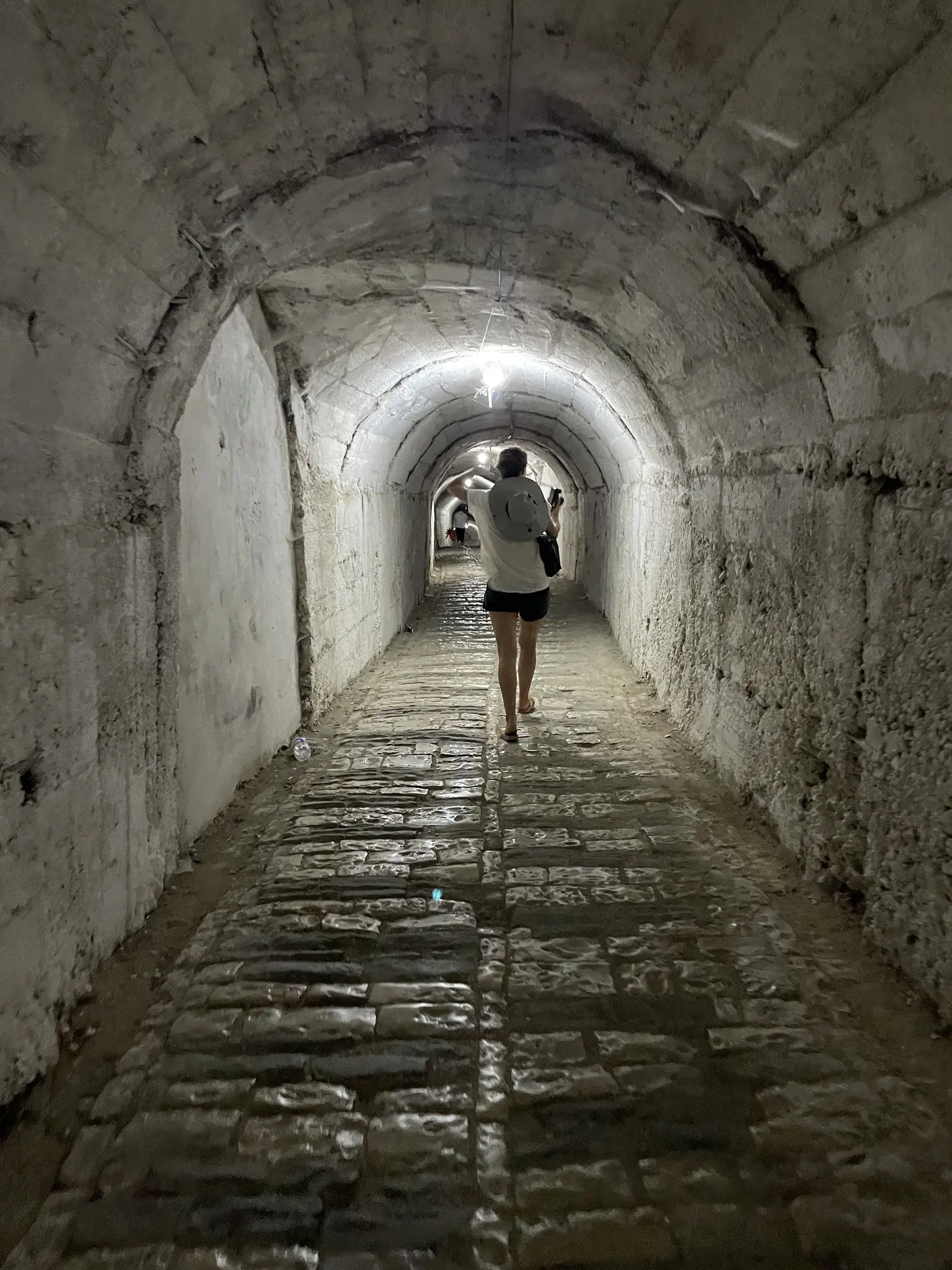
The Cold War Tunnel
Carved beneath the citadel, this 800-metre tunnel has 59 rooms designed to protect the Communist Party elite in the event of an attack. Now a museum, it offers a striking glimpse into the paranoia of Enver Hoxha’s regime.
The Ottoman Bazaar
The Qafa e Pazarit district, meaning “bazaar pass”, developed as the city’s population spilled beyond the citadel walls. Today, it’s one of the liveliest areas in town, with its little shops, cafés and local artisans.
How to Get to Gjirokastër
Gjirokastër is in southern Albania, about 40 km from Sarandë and its coastline, and less than an hour’s drive from the Blue Eye, the famous turquoise spring in the south of the country. It’s a natural stop for anyone exploring the region between the coast and inland Albania.
Once you’ve parked, the whole city is easy to explore on foot: the steep, cobbled lanes of the old town aren’t suitable for cars anyway.
Gjirokastër with Albania Nomads
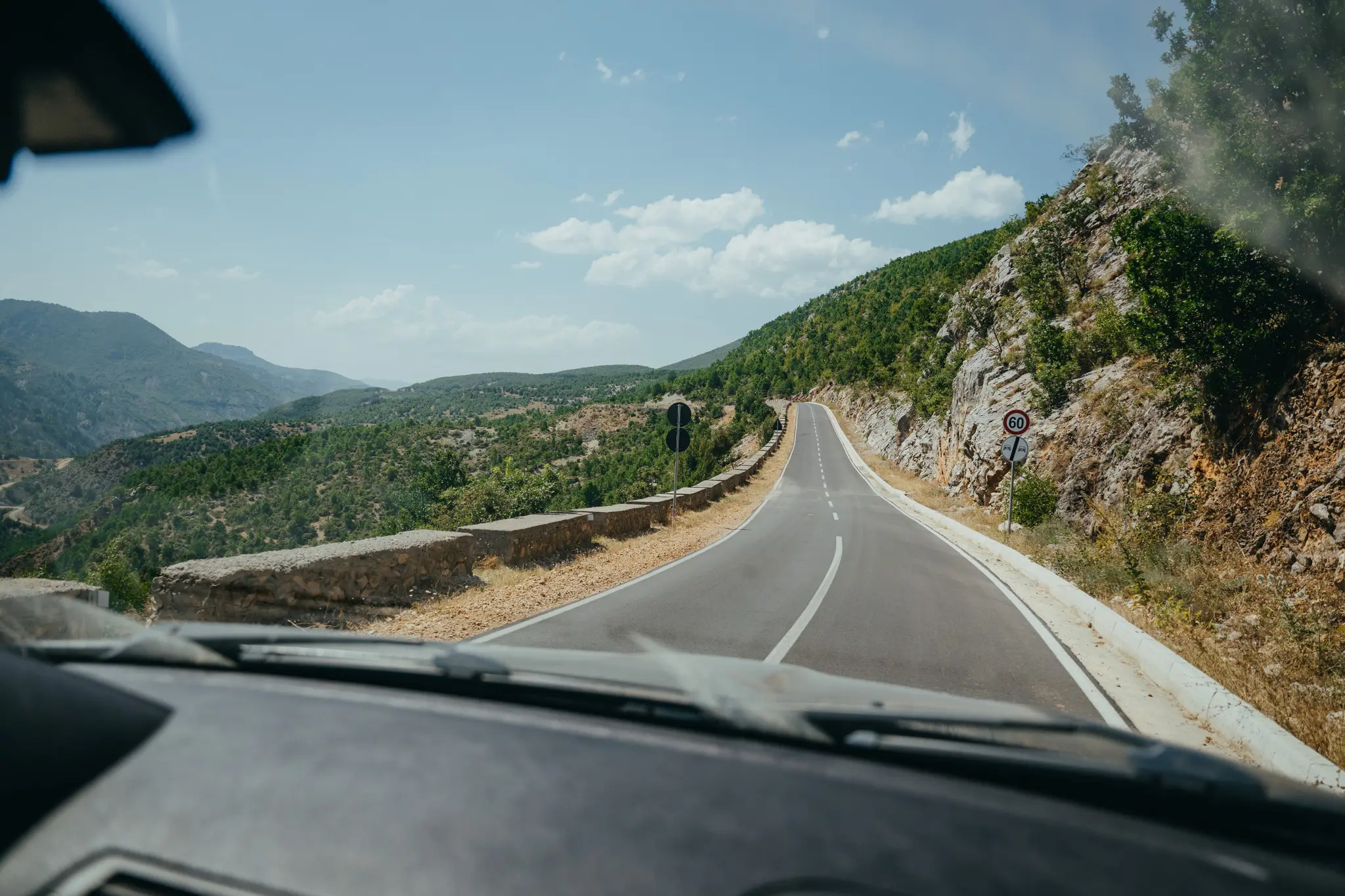
With its Ottoman heritage, 20th-century history and landscapes in southern Albania, Gjirokastër is a great addition to any road trip through the country. With Albania Nomads, you explore the country at your own pace in your SUV with a rooftop tent, with the freedom to add detours like this to your itinerary.
Want to experience this adventure for yourself? Check out all the available dates and book your spot on an unforgettable road trip through Albania.